
Cooking a good dinner is rewarding, but cleaning up afterward can feel like a second job. Pots, pans, cutting boards, utensils, and food scraps can quickly cover the kitchen. The good news is that a few simple habits can make cleanup faster and less stressful.
The key is to clean in small steps instead of leaving everything until the end. With a little planning, you can reduce clutter, use fewer dishes, and finish the kitchen more quickly.
Start With a Quick Plan
Before you begin cooking, take a moment to think through the meal. Consider which ingredients need preparation, which tools you will use, and whether some steps can share the same bowl or pan.
This short planning step can prevent unnecessary dishes and make the cooking process smoother.
Choose Simple Cooking Methods
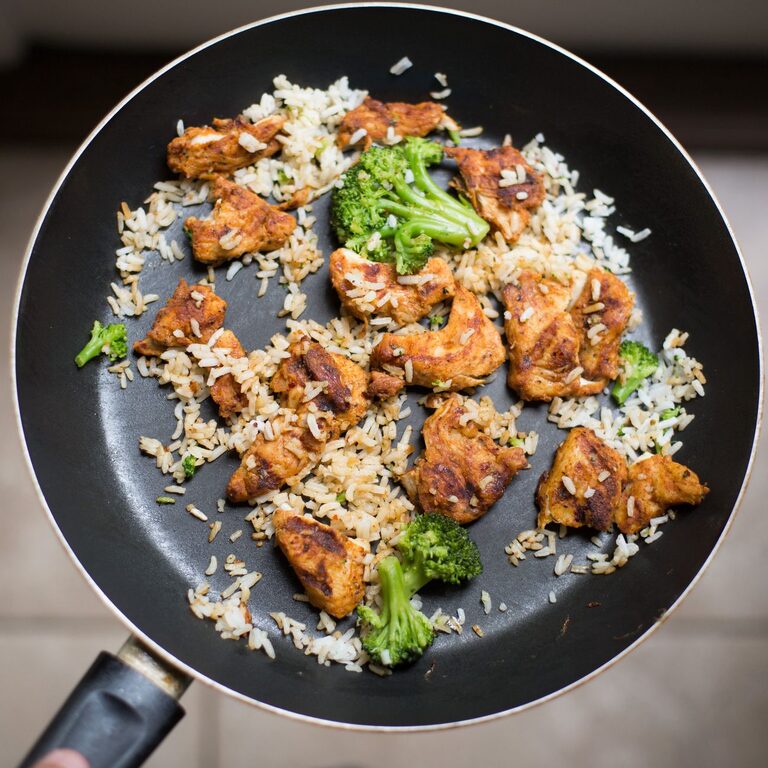
Meals that use one pan, one pot, or a single baking sheet usually create less cleanup. Roasted vegetables, skillet meals, sheet pan dinners, and soups are practical options when you want an easier evening.
When choosing recipes, look for instructions that allow several ingredients to cook together. Fewer cooking vessels usually mean less scrubbing later.
Gather What You Need
Set out the ingredients and tools before you start. This helps you avoid opening several cabinets during cooking and makes it easier to return items as soon as you are done with them.
Keep a small bowl nearby for measuring spoons, peels, herb stems, and other scraps. This creates a temporary collection spot and keeps the counter more organized.
Clean as You Cook
Cleaning as you cook does not mean washing every item immediately. Instead, use waiting time wisely and handle small tasks before they pile up.
While water boils, food simmers, or something bakes, you can:
– Put ingredients back in the refrigerator or pantry
– Rinse measuring cups and spoons
– Wipe spills from the counter
– Place food scraps in the compost or trash
– Load finished dishes into the dishwasher
– Wash a cutting board or knife you no longer need
These short tasks can save several minutes at the end of the meal. They also give you more workspace while you continue cooking.
Use Fewer Dishes
One of the easiest ways to reduce cleanup is to limit the number of dishes you use.
Reuse Bowls When Practical
If you measure dry ingredients first, you may be able to use the same bowl for several ingredients. For example, vegetables can be prepared in one bowl before being transferred to a pan.
Avoid reusing a bowl if it held raw meat, eggs, or other ingredients that require careful food safety. In those cases, use a clean container when needed.
Measure Over the Cooking Vessel
When appropriate, measure spices, sauces, or small amounts of seasoning directly into the pot or pan. This eliminates extra measuring bowls and makes the process faster.
For ingredients that may spill or require precise amounts, a small prep bowl can still be useful. The goal is to reduce dishes without making cooking less convenient.
Use the Same Cutting Board Carefully
A cutting board may be used for several produce items in a row. However, use a separate clean surface after cutting raw meat, poultry, or seafood. Wash tools and surfaces thoroughly before using them for other ingredients.
Choose Tools That Are Easy to Clean
The right cookware can make a noticeable difference in how long cleanup takes.
Nonstick pans, oven-safe dishes, and stainless steel tools with simple shapes are often easier to wash than cookware with many small grooves or parts. Silicone spatulas and flexible scrapers can also help remove food from bowls and pans more completely.
When possible, choose utensils that are dishwasher-safe. Check the care instructions for cookware before placing it in the dishwasher, since some items may need to be washed by hand.
Soak Pots and Pans Right Away
If food has dried onto a pan, avoid waiting until the end of the evening to deal with it. Add warm water and a small amount of dish soap while the pan is still safe to handle. Let it soak while you eat or finish other tasks.
For stubborn residue, use a soft scraper or a suitable cleaning pad. Avoid harsh tools that could damage the surface.
A quick soak often turns a difficult scrubbing job into a simple rinse. Do not soak cookware if the manufacturer advises against it, and handle hot pans carefully to avoid damage or burns.
Use Lining and Covering Strategically
Parchment paper, foil, and reusable baking mats can help reduce stuck-on food and make sheet pans easier to clean. Use them when they are suitable for the recipe and safe for the cooking temperature.
Lids and splatter screens can also keep sauces and oils from spreading across the stovetop. Covering a pan may reduce the amount of wiping needed later, while still allowing food to cook properly.
For especially messy meals, place a tray beneath dishes that may bubble or spill in the oven. This can protect the oven floor and make cleanup more manageable.
Keep the Sink and Counters Clear
A crowded sink makes the kitchen feel more difficult to clean. Try to keep one side of the sink available for rinsing or soaking, and move clean dishes to the dishwasher or drying rack as soon as possible.
Wipe counters in sections rather than waiting until every surface is covered. Start with areas where food was prepared, then clear crumbs and spills around appliances.
Keep a few basic supplies close by:
– Dish soap
– A soft sponge or brush
– A dish towel
– A countertop cloth
– A small scraper
– A container for food scraps
Having these items within reach makes quick cleanup easier to maintain.
Make the Dishwasher Work Efficiently
Load the dishwasher as you go instead of creating a large pile beside the sink. Scrape food into the trash or compost first, then place dishes in the appropriate sections.
Do not overload the machine. Crowded dishes may block water from reaching every surface, which can lead to rewashing. Place larger items where they will not prevent the spray arms from moving freely.
If you do not have a dishwasher, use a dishpan or one side of the sink for washing and the other side for rinsing. This helps keep the process organized and limits water use.
Finish With a Short Reset
After the dishes are washed or the dishwasher is running, take five minutes to reset the kitchen. Put ingredients away, wipe the stovetop, clean the sink, and sweep up visible crumbs.
A short reset is easier than a full cleaning session later. It also means the kitchen is ready for breakfast or the next meal.
You can make this routine more enjoyable by setting a timer, playing music, or treating it as part of the meal rather than a separate chore. If other people share the home, divide tasks so one person handles dishes while another wipes surfaces and puts food away.
Build Habits That Save Time
The most helpful cleanup strategies are the ones you can repeat without much effort. Start with one or two habits, such as soaking pans immediately or cleaning while food cooks. Once those feel natural, add another.
A tidy kitchen does not require perfect organization or constant washing. It comes from making small choices that prevent mess from growing. By planning ahead, using fewer tools, cleaning in short bursts, and ending with a quick reset, you can make dinner cleanup faster and much easier to manage.