
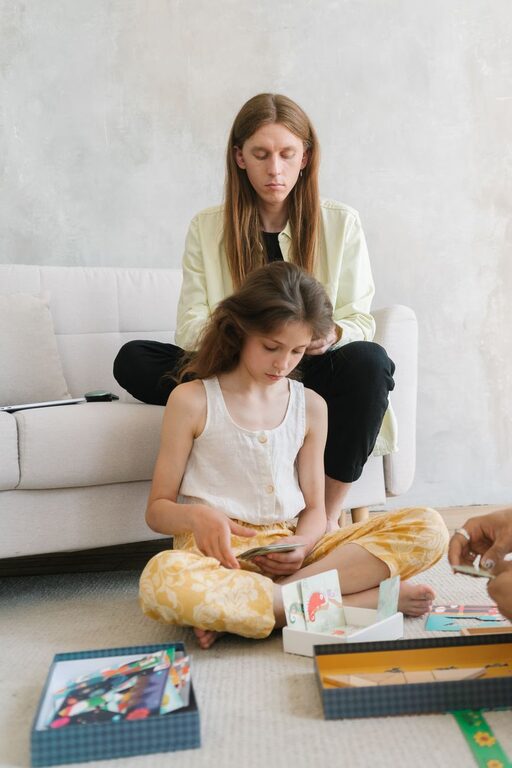
Family game night is a simple way to spend quality time together without leaving home. You do not need a large collection of games or an elaborate setup. With a few thoughtful choices, snacks, and a relaxed attitude, an ordinary evening can become a favorite family tradition.
Whether your family enjoys friendly competition, creative challenges, or cooperative play, there are plenty of ways to make game night fun for everyone.
Start With a Simple Plan
A little planning can make the evening run smoothly. Choose a day when most family members are available and set aside two or three hours. Keeping the schedule flexible allows everyone to enjoy the games without feeling rushed.
Before game night begins, decide on:
– Which games you will play
– How many rounds or games to include
– What snacks and drinks to serve
– Whether you want a theme
– How younger players can participate
It can also help to create a small game night basket. Fill it with playing cards, dice, pencils, paper, score sheets, and any other useful supplies. Keeping everything together makes setup easier for future evenings.
Choose Games for Different Ages
The best game night includes activities that match the ages, interests, and attention spans of the players. If there is a wide age range, choose games with simple rules and offer optional challenges for older children and adults.
Classic Board Games
Classic board games are familiar, easy to find, and often suitable for several players. Depending on your family, you might choose:
– A matching or memory game
– A simple word game
– A strategy board game
– A trivia game
– A race game
– A cooperative game where players work together
For younger children, look for games with short playing times and clear instructions. Older children may enjoy games that involve planning, word skills, or creative decisions.
Card Games
Card games are affordable, portable, and easy to adapt. You can play a traditional game, create teams, or invent your own family rules. Simple games such as matching pairs, Go Fish, or Crazy Eights can work well for younger players.
For a fresh activity, give each player a few cards and ask them to create a story using the pictures, numbers, or symbols. This turns a basic deck into a storytelling game.
Cooperative Games
Competitive games can be exciting, but cooperative games offer a different kind of fun. In these games, everyone works toward the same goal instead of playing against one another.
Families can cooperate to:
– Solve a puzzle
– Complete a timed challenge
– Build a structure
– Answer a set number of questions
– Finish a treasure hunt
Cooperative play can be especially helpful when younger children become frustrated by losing. The focus stays on teamwork, communication, and completing the challenge together.
Try a Themed Game Night
A theme can make a regular game night feel like a special event. Choose a theme that matches your family’s interests, then add simple decorations, snacks, or music.
Here are a few ideas:
Around the World Night
Choose games, questions, or activities inspired by different countries and regions. Serve small snacks from several places, and use a map to mark each location. You can also ask players to learn and share one interesting fact about each destination.
Movie Character Night
Invite everyone to dress as a favorite movie character, or simply choose games connected to films and storytelling. Add popcorn, fruit, and other easy snacks for a relaxed theater-style atmosphere.
Puzzle Night
Set out jigsaw puzzles, logic puzzles, word searches, and riddles. Create teams and see which group can complete a challenge first. Remember that the goal is to enjoy the process, not only to finish quickly.
Color Night
Choose one color and use it for decorations, tableware, clothing, and snacks. You can also select games or activities that match the theme. A color night is easy to plan and works well for younger children.
Add Quick Games Between Rounds
Long games may take time to set up or finish. Short activities are useful between rounds and can keep everyone involved while the next game is being prepared.
Try these quick ideas:
– Charades
– Drawing and guessing
– Two truths and a tale
– Word association
– Name that sound
– Indoor scavenger hunt
– Build the tallest paper tower
– Guess the object in a bag
You can write activities on slips of paper and place them in a bowl. When there is a pause, someone can draw a slip and lead the next challenge.
Make Snacks Part of the Fun
Simple snacks are usually best for game night. Choose foods that are easy to serve and do not create too much mess near the game table.
Good options include:
– Popcorn
– Pretzels
– Fresh fruit
– Vegetable sticks
– Crackers and cheese
– Mini sandwiches
– Cookies
– Homemade trail mix
Create a snack station so players can help themselves without interrupting the game. Use small bowls or cups to reduce spills, and keep drinks in containers with lids when possible.
For an extra activity, let family members design their own snack mix from a selection of ingredients. Everyone can choose a fun name for their creation and vote on the most unusual combination.
Keep the Atmosphere Friendly
The mood of the evening matters more than the final score. Set expectations before starting: players should take turns, follow the rules, and treat one another respectfully. It is also fine to adjust a rule if it makes the game more enjoyable for your group.
If one person wins several times, try adding a team round or choosing a cooperative activity. You can also give recognition for creative ideas, helpful teamwork, good sportsmanship, or the funniest moment.
Avoid making every game about winning. A family game night should give everyone a chance to participate and feel included.
Create a Family Game Night Tradition
A regular schedule can help turn game night into a tradition. You might choose the first Friday of each month, a weekend afternoon, or an evening during school breaks.
Let family members take turns choosing:
– The main game
– The theme
– The snack
– The music
– A quick activity
You can keep a simple list of games you have played and rate them with stars or short comments. Over time, this list becomes a helpful guide for future evenings.
For a special touch, take a family photo, create a “game night champion” certificate, or keep a small notebook of funny moments. These details cost very little but can make the tradition more memorable.
Final Thoughts
Family game night does not need to be complicated or expensive. A few games, easy snacks, and time set aside for one another are enough to create a meaningful evening. Mix familiar favorites with new activities, include games for different ages, and focus on laughter and connection rather than competition.
With a little creativity, game night can become a relaxing tradition that everyone looks forward to.