
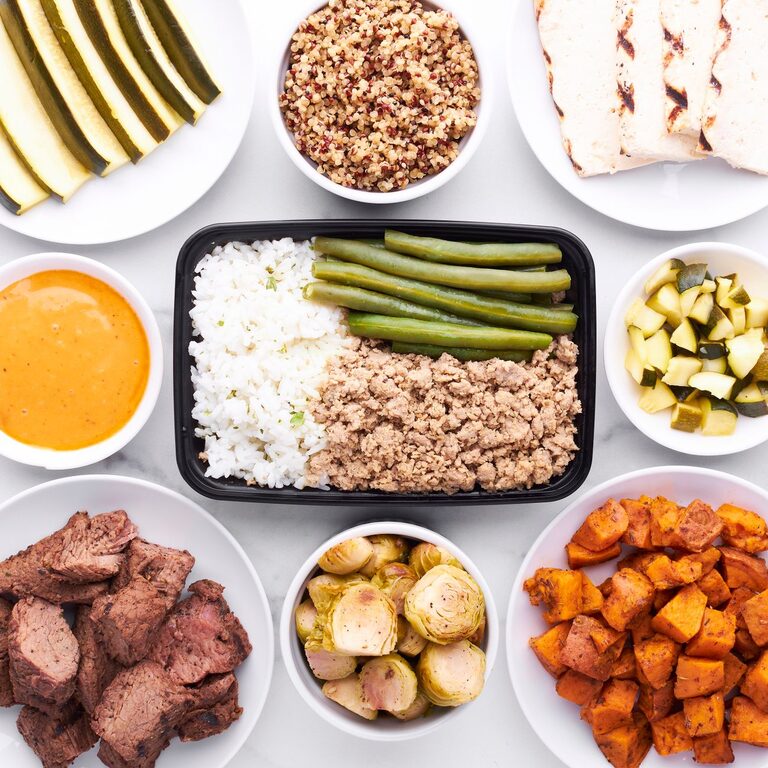
Planning balanced meals does not have to mean following a strict schedule, measuring every ingredient, or cooking something new every day. A simple approach can help you create satisfying meals while leaving room for busy days, changing preferences, and last-minute plans.
The goal is not perfection. It is to make everyday food choices easier by keeping a few useful ingredients on hand and using a flexible meal structure.
Start With a Simple Meal Formula
A balanced meal usually includes a combination of:
– A protein source
– A grain or other carbohydrate
– Vegetables or fruit
– A source of healthy fat
– A drink, such as water or unsweetened tea
You do not need every item at every meal. Instead, use this list as a guide for building meals that feel filling and varied.
For example, you might combine:
– Rice, roasted vegetables, beans, and avocado
– Whole-grain toast, eggs, fruit, and yogurt
– Pasta, vegetables, chicken, and olive oil
– A baked potato, lentils, salad, and cheese
This formula works with many cooking styles and food preferences. It can also be adjusted based on what you already have at home.
Plan Around Familiar Foods
Meal planning becomes easier when you begin with foods you already enjoy. Rather than searching for a completely new recipe for every meal, create a list of reliable choices.
Make three short lists:
Favorite breakfasts
Examples include:
– Oatmeal with fruit and nuts
– Eggs with toast and sliced vegetables
– Yogurt with fruit and granola
– A smoothie with fruit, yogurt, and oats
Easy lunches
Try options such as:
– Leftovers from dinner
– A grain bowl with vegetables and beans
– A sandwich with a side of fruit
– Soup with toast or a simple salad
Dependable dinners
Consider meals such as:
– Tacos with beans, vegetables, and cheese
– Stir-fried vegetables with rice and a protein
– Pasta with tomato sauce and roasted vegetables
– Sheet-pan vegetables with chicken, tofu, or fish
Having a short list reduces the pressure to make constant decisions. You can repeat favorite meals while changing one ingredient for variety.
Use a Flexible Weekly Plan
A weekly plan does not need to assign a specific meal to every day. A menu with too many details can feel difficult to maintain when plans change.
Instead, plan a few main meals and leave space for leftovers, takeout, or simple options.
For example:
– Plan three dinners
– Choose two easy lunch options
– Keep breakfast ingredients available
– Reserve one or two flexible nights
You can also plan by category instead of by recipe. One night might be “grain bowls,” another “tacos,” and another “pasta.” This gives you direction without requiring a fixed ingredient list.
A flexible plan might look like this:
– Monday: Rice bowls
– Tuesday: Leftovers
– Wednesday: Tacos
– Thursday: Simple sandwiches or soup
– Friday: Pasta
– Weekend: Use remaining ingredients or try a new recipe
This approach helps prevent food waste and makes it easier to adapt when your schedule changes.
Build a Grocery List by Category
A categorized grocery list is often more useful than a list organized by recipe. It helps you notice gaps and choose substitutes.
Protein foods
Choose a few options, such as:
– Eggs
– Beans or lentils
– Chicken or turkey
– Fish
– Tofu or tempeh
– Yogurt
– Cheese
– Nuts or seeds
Grains and other staples
Consider:
– Rice
– Oats
– Whole-grain bread
– Pasta
– Potatoes
– Tortillas
– Quinoa or another grain
Fruits and vegetables
Choose a mix of fresh, frozen, and canned items. Frozen vegetables and canned fruit can be practical choices when fresh options are limited. For canned items, check the label and choose options that fit your preferences.
Flavor helpers
Keep a few ingredients that make simple meals more enjoyable:
– Olive oil
– Garlic
– Herbs and spices
– Salsa
– Soy sauce
– Vinegar
– Lemon juice
– Nut or seed butter
You do not need to buy every category in large amounts. Select enough for a few meals and use what you already have first.
Prep Ingredients, Not Complete Meals
Preparing every meal in advance can take more time than expected. A lower-stress option is to prepare ingredients that can be used in several ways.
For example, during one short preparation session, you might:
– Cook a pot of rice or another grain
– Wash and cut a few vegetables
– Roast a tray of vegetables
– Prepare boiled eggs
– Mix a simple dressing
– Portion nuts, fruit, or other snacks
These ingredients can become different meals throughout the week. Roasted vegetables can go into a bowl, wrap, omelet, or pasta dish. Cooked grains can be paired with different sauces and protein options.
Even 20 or 30 minutes of preparation can make weekday cooking feel more manageable.
Keep Quick Options Available
Busy days are part of real life. Keeping convenient foods at home can help you create a meal without starting from scratch.
Useful options may include:
– Frozen vegetables
– Canned beans
– Prewashed greens
– Whole-grain bread
– Canned tuna or salmon
– Microwaveable grains
– Rotisserie chicken
– Hummus
– Yogurt
– Fresh or frozen fruit
Convenience foods can be part of a balanced routine. The key is to combine them with other ingredients when possible. For example, add frozen vegetables to a prepared grain, or pair soup with toast and fruit.
Make Meals More Satisfying
If a meal does not keep you satisfied, consider what might be missing. Adding protein, fiber-rich foods, or a source of fat can make a simple meal feel more complete.
For example:
– Add beans to a vegetable soup
– Add an egg to toast and greens
– Add nuts or seeds to oatmeal
– Add avocado or cheese to a grain bowl
– Serve fruit with yogurt
You can also improve satisfaction through flavor and texture. Try combining something crisp with something soft, or something fresh with something savory. Simple additions such as herbs, lemon juice, salsa, or a flavorful dressing can make familiar foods more appealing.
Use Portion Flexibility
There is no single perfect portion for everyone. Appetite, activity, schedule, and personal preferences can vary from day to day.
Instead of aiming for exact amounts, serve a reasonable starting portion and adjust based on how you feel. You may want more food after a physically active day or a lighter option when you are less hungry.
This flexible approach can help you pay attention to your needs without turning meals into a set of strict rules.
Create a Backup Meal List
A backup meal list can prevent last-minute stress. Write down five meals that require little planning and use ingredients you usually keep at home.
Examples include:
– Scrambled eggs with toast and fruit
– Bean and cheese quesadillas with salsa
– Pasta with frozen vegetables
– Rice with canned beans and a fried egg
– Yogurt with oats, fruit, and nuts
Keep the list where you can see it, such as on the refrigerator or in a notes app. When your original plan no longer works, choose one backup meal instead of starting the planning process over.
Keep the Focus on Progress
Balanced meal planning should support your life, not make it more complicated. Some meals will be carefully prepared, while others may be quick, repeated, or assembled from convenient ingredients. All of these choices can fit into a practical routine.
Start with one small habit, such as planning three dinners or preparing one ingredient each weekend. Once that feels comfortable, add another habit if it is useful.
The best meal plan is one you can repeat. Keep it simple, use familiar foods, allow flexibility, and make room for real-life changes.