
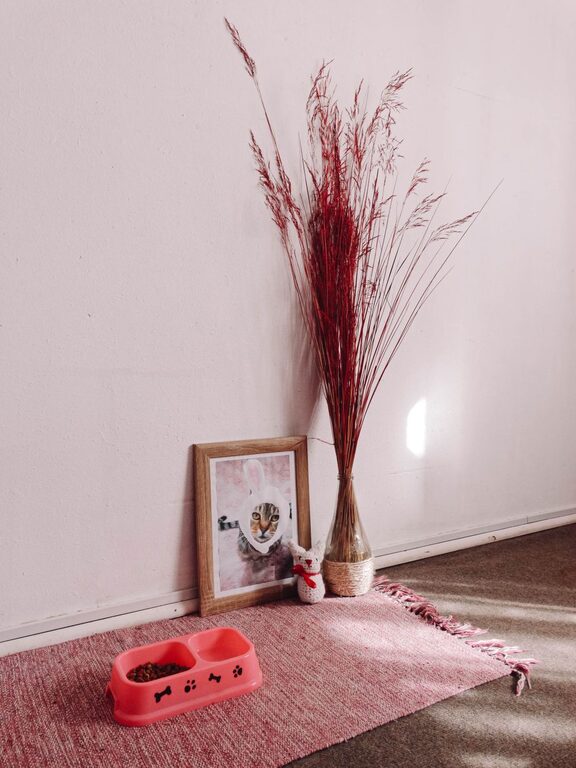
A pet-friendly home corner gives your companion a familiar place to rest, play, and keep daily essentials. It can also make your home easier to organize by gathering beds, toys, food supplies, and cleaning items in one convenient area.
You do not need a large room or expensive furniture to create a useful pet space. With a little planning, you can turn a quiet corner of a living room, bedroom, entryway, or laundry area into a comfortable retreat.
Choose the Right Location
Start by selecting a spot that fits your pet’s habits and your household routine. The best location is easy for your pet to reach but does not interfere with doors, walkways, or frequently used furniture.
Look for an area with:
– A comfortable temperature
– Good visibility of the room
– Protection from busy foot traffic
– Easy access to fresh water
– A floor that is simple to clean
– Enough room for your pet to turn around and stretch
Many pets prefer to stay near their people, so a corner of the living room may be more appealing than an isolated space. However, some pets enjoy a quieter place where they can relax without interruption.
Avoid placing the area directly beside loud appliances, heating vents, drafty windows, or doors that open often. Also check that your pet cannot easily reach electrical cords, small objects, or unstable decorations.
Measure the Available Space
Before buying supplies, measure the corner and consider how much room your pet needs. A small dog or cat may be comfortable with a bed, water bowl, and toy basket. A larger dog may need a full-size bed with enough surrounding space to enter and leave easily.
Think about the layout as well as the measurements. You may want room for:
– A bed or crate
– Food and water bowls
– A toy basket
– A washable mat
– Storage for leashes or grooming tools
– A small waste bin or cleaning container
Leave clear space around each item. Crowding can make the corner harder to clean and may cause bowls or toys to spill into walkways.
Select a Comfortable Resting Area
A good bed is the center of most pet corners. Choose one that matches your pet’s size, sleeping style, and preferences. Some pets like raised edges that create a sense of security, while others prefer a flat cushion where they can stretch out.
When choosing a bed, consider:
– A washable cover
– Durable stitching
– A non-slip bottom
– Filling that keeps its shape
– A size that allows your pet to lie comfortably
Place the bed on a rug or washable mat if the floor is slippery. This can help keep the bed in place and protect flooring from dirt or water. For pets that enjoy enclosed spaces, a crate or covered bed may work well, as long as it remains open and inviting rather than being used as a forced space.
Wash bedding regularly according to the manufacturer’s instructions. Keep a spare blanket or cover available so the area can still be used while the main bedding is being cleaned.
Organize Food and Water Supplies
Food and water should be easy to reach, but bowls do not always need to be placed directly beside the bed. Keeping feeding supplies slightly separate can help reduce spills and crumbs in the resting area.
Use a washable mat beneath the bowls to protect the floor and make cleanup easier. Choose bowls that are stable and difficult to tip over. A shallow design may suit some cats, while larger pets may need deeper or wider bowls.
Store dry food in a sealed container to keep it fresh and prevent pests. Labeling the container can make it easier for everyone in the household to follow the same feeding routine. Keep food away from cleaning products and other household supplies.
Refresh water regularly and wipe the surrounding area as needed. A tidy feeding station is more comfortable for both pets and people.
Create Simple Toy Storage
A basket, low shelf, or small storage bin can keep toys organized. Choose a container that your pet cannot easily knock over or chew apart. A lightweight basket may work well for some homes, while a sturdy bin may be better for larger or more active pets.
Sort toys occasionally and remove items that are damaged, have loose parts, or are no longer suitable. Keep only a few favorites in the corner and rotate the rest. This reduces clutter and can make familiar toys feel new again.
Store toys where they are easy to reach but not in the middle of a walkway. If your pet likes to carry toys around the house, leave enough room for them to pick up and move items safely.
Add Practical Storage
A pet corner can also hold everyday accessories. Wall hooks or a small cabinet can organize leashes, collars, brushes, towels, and waste bags.
Use storage that is secure and easy for adults to access. Keep small items, treats, medications, and cleaning products out of your pet’s reach. Avoid placing heavy objects on high shelves where they could fall.
If you live in a small space, use vertical storage carefully. A narrow shelving unit can save floor space, but it should be stable and anchored when necessary. Make sure shelves do not create tempting climbing routes or sharp edges.
Make Safety a Priority
Safety should guide every design choice. Inspect the area from your pet’s point of view and look for hazards that may be easy to miss.
Check for:
– Loose cords and charging cables
– Small objects that could be swallowed
– Plants that may be unsafe for pets
– Sharp furniture corners
– Unstable lamps or shelves
– Open containers of food or cleaning products
– Gaps behind furniture where a pet could become stuck
Keep windows and doors securely closed when needed. If the corner includes a crate, gate, or playpen, make sure it is properly sized and does not have damaged parts.
Choose washable, durable materials instead of delicate decorations. Your pet’s space should be pleasant, but it also needs to handle fur, dirt, water, and regular use.
Keep the Corner Clean
A pet-friendly corner is easier to maintain when cleaning is part of the design. Select surfaces that can be wiped or washed, and place a mat beneath areas where spills are likely.
Create a simple cleaning routine:
- Remove fur and loose debris several times a week.
- Wash bowls and check the feeding mat regularly.
- Launder bedding as needed.
- Wipe storage containers and nearby surfaces.
- Inspect toys and accessories for damage.
- Sweep or vacuum underneath the furniture.
Avoid letting dirty bedding, old toys, or spilled food build up. A few minutes of regular care can keep the space fresh and comfortable.
Add Personal Touches
Once the practical pieces are in place, add a few details that suit your home. A washable throw, framed pet photo, or simple wall art can make the corner feel connected to the rest of the room.
Choose decorations that do not crowd the area or create hazards. You can also use a color palette that complements your existing furniture. Neutral fabrics, natural textures, and simple storage often create a calm look without requiring a major redesign.
Most importantly, observe how your pet uses the space. If the bed is ignored, try moving it to a quieter or more social location. If toys gather elsewhere, place the basket closer to that area. A successful pet corner should reflect your pet’s habits as well as your home’s style.
With a comfortable bed, organized supplies, safe materials, and a simple cleaning routine, even a small corner can become a welcoming part of your home.