
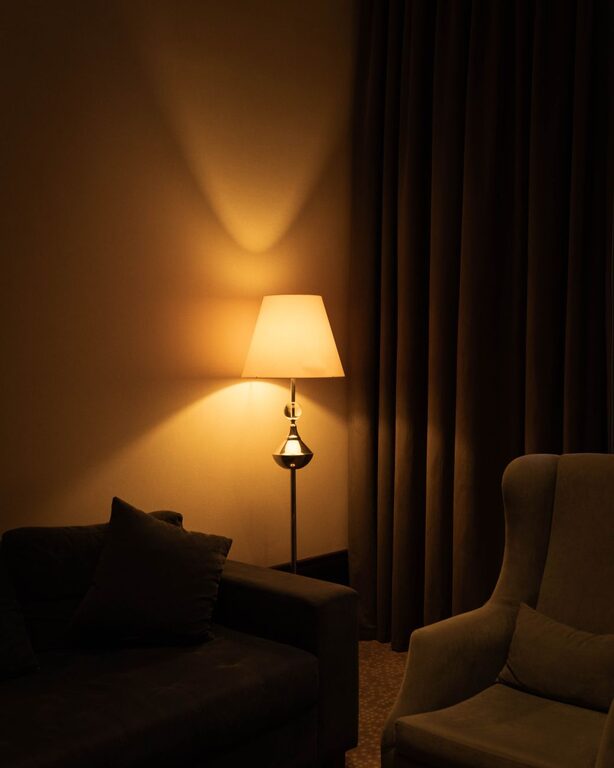
Comfortable lighting can make a home feel calm, welcoming, and easy to use. The right lighting helps you read, cook, work, relax, and move safely without creating harsh glare or dark corners. It also adds warmth and character to your rooms.
Choosing home lighting is not only about picking attractive fixtures. You also need to consider brightness, color, placement, bulb type, and how each room is used. With a few simple principles, you can create lighting that looks good and feels comfortable throughout the day.
Start With the Purpose of Each Room
Before buying a lamp or light fixture, think about what happens in the room. Different activities need different types of lighting.
For example:
– A kitchen needs bright, practical light for food preparation.
– A living room benefits from a mix of general and softer accent lighting.
– A bedroom usually feels more comfortable with warm, gentle light.
– A home office needs clear lighting that reduces shadows on the work surface.
– A hallway needs enough light for safe movement without feeling overly bright.
Make a list of the activities in each space. A room used for several purposes may need more than one light source. For instance, a living room might need ceiling lighting for general use, a floor lamp for reading, and a small table lamp for a relaxed evening atmosphere.
Use Layers of Light
One ceiling fixture rarely provides the most comfortable lighting. Layering different types of light creates a more balanced and flexible room.
Ambient Lighting
Ambient lighting provides the general light in a room. It may come from ceiling fixtures, recessed lights, chandeliers, or wall-mounted lights. This is the foundation of your lighting plan.
The goal is to create even illumination without making the room feel overly bright. If the ceiling light creates strong shadows or glare, consider using a fixture with a diffuser or adding other light sources around the room.
Task Lighting
Task lighting helps you see clearly while performing a specific activity. Examples include:
– Under-cabinet lights for kitchen counters
– A desk lamp for writing or computer work
– A reading lamp beside a chair
– Vanity lights near a bathroom mirror
– Pendant lights above a kitchen island
Place task lighting close to where the activity takes place. The light should be bright enough for the task but positioned so it does not shine directly into your eyes or cast shadows across your work.
Accent Lighting
Accent lighting highlights features such as artwork, bookshelves, plants, or architectural details. It can also add depth and personality to a room.
Wall sconces, picture lights, spotlights, and small decorative lamps are common choices. Accent lighting does not need to be very bright. Its purpose is to draw attention and create atmosphere.
Choose the Right Color Temperature
Light color affects how a room feels. Bulbs are commonly described by color temperature, measured in Kelvin. Lower numbers usually create warmer, yellow-toned light, while higher numbers produce cooler, blue-toned light.
As a general guide:
– Warm light, around 2700K, feels cozy and relaxing.
– Soft neutral light, around 3000K, works well in many living areas.
– Cooler light, around 3500K to 4000K, feels crisp and practical.
Warm light is often a good choice for bedrooms, living rooms, dining areas, and entryways. Neutral or cooler light may work better in kitchens, laundry rooms, garages, and workspaces.
You do not have to use the same color temperature throughout your home. However, try to keep nearby lights reasonably consistent. Mixing very warm and very cool bulbs in the same room can make the lighting look uneven.
Pay Attention to Brightness
Brightness is often listed in lumens rather than watts. Watts measure energy use, while lumens indicate how much light a bulb produces.
When choosing brightness, consider the room’s size, wall color, ceiling height, and purpose. A small room with light-colored walls may need less light than a large room with dark finishes.
Instead of relying on one very bright bulb, consider using several lower-brightness fixtures. Multiple sources spread around the room can reduce harsh shadows and create a more comfortable effect.
Dimmers are especially useful because they allow you to adjust brightness for different times and activities. A brighter setting may be helpful while cleaning, while a lower setting can create a calmer mood in the evening.
Reduce Glare
Glare occurs when a light source is too bright or visible from certain angles. It can make it difficult to see comfortably and may make a room feel unpleasant.
To reduce glare:
– Choose shades or diffusers that soften exposed bulbs.
– Avoid placing bright fixtures directly in your line of sight.
– Use adjustable lamps so you can direct light where needed.
– Position desk lamps to the side rather than directly in front of a screen.
– Select matte finishes for surfaces that reflect light.
– Use curtains or blinds to balance strong daylight.
When choosing a ceiling fixture, look at it from the places where you will sit or stand. A beautiful fixture may still be uncomfortable if the bulbs shine directly into your eyes.
Choose Fixtures That Fit the Room
The size and style of a light fixture should suit the space. A fixture that is too small may not provide enough light, while one that is too large can overwhelm the room.
Consider these details:
– Measure the room before shopping.
– Check the fixture’s height, width, and hanging length.
– Leave enough walking space below pendant lights.
– Make sure table and floor lamps are stable.
– Choose shades that direct light appropriately.
– Match the fixture’s style with the room without making every piece identical.
For dining areas and kitchen islands, hanging fixtures should be high enough to allow clear conversation and sightlines. In bedrooms and living rooms, lamps should be easy to reach from seating or the bed.
Select Bulbs for Comfort and Efficiency
LED bulbs are a popular choice because they use less energy and are available in many brightness levels and color temperatures. They also come in different shapes, including standard bulbs, candle styles, globe bulbs, and directional designs.
When selecting a bulb, check:
– Lumens for brightness
– Color temperature for the look of the light
– Dimmability if you use a dimmer
– Size and shape compatibility with the fixture
– Color rendering information when accurate color matters
Color rendering describes how naturally colors appear under the light. Higher color rendering can be useful in kitchens, dressing areas, studios, and spaces where you want to see colors clearly.
Plan Lighting Around Furniture
Furniture placement should influence where you put lights. A reading lamp should sit near the chair where reading happens, and a floor lamp should not block a walkway. Desk lighting should illuminate the work area without creating reflections on a screen.
Before installing or buying fixtures, sketch the room or use removable items to test possible locations. This simple step can help you notice dark corners, awkward shadows, or lights that are difficult to reach.
Remember that lighting should support how you use the room now, while remaining flexible if furniture changes later.
Make Controls Easy to Use
Comfortable lighting should be convenient to control. Place switches near room entrances and consider additional controls near beds, seating areas, or frequently used workspaces.
Dimmers, timers, and smart controls can make lighting more flexible. Even without advanced features, separate switches for different light layers give you more control over the atmosphere and brightness.
A good lighting plan lets you turn on only what you need. This can make the room feel more comfortable and may help reduce unnecessary energy use.
Review the Lighting at Different Times
Natural light changes throughout the day, so a lighting plan should be tested in the morning, afternoon, and evening. A room that looks bright during the day may need additional lamps at night.
Walk through the room and ask:
– Are there dark corners?
– Do any bulbs create glare?
– Is the task area bright enough?
– Does the light feel too cool or too yellow?
– Can the controls be reached easily?
– Does the room feel comfortable when only some lights are on?
Small changes, such as replacing a bulb, adding a floor lamp, or adjusting a shade, can make a noticeable difference.
Create a Comfortable Lighting Plan
The most comfortable home lighting combines practical brightness with a pleasant atmosphere. Start by identifying the purpose of each room, then layer ambient, task, and accent lighting. Choose suitable color temperatures, reduce glare, and use dimmers or separate switches where possible.
With thoughtful placement and flexible controls, your lighting can support everyday activities while making your home feel warm, balanced, and inviting.