
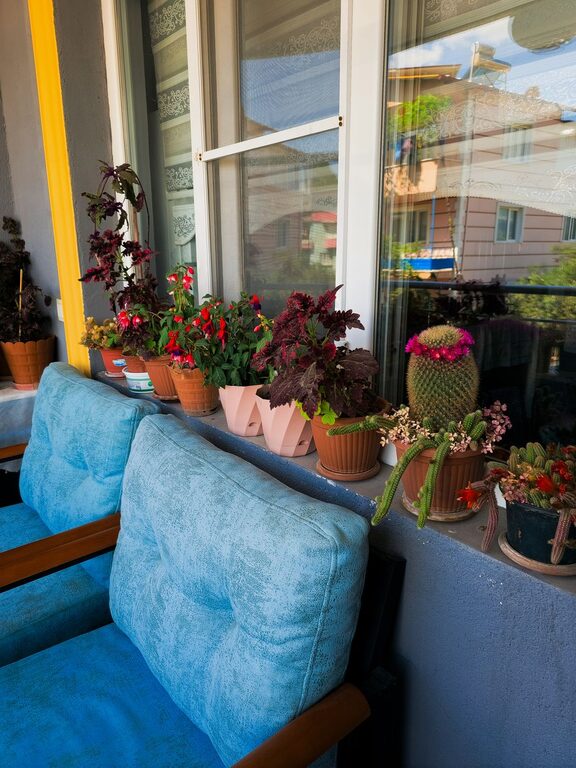
A small balcony can become one of the most enjoyable areas of your home. Even with limited floor space, a few thoughtful choices can create a comfortable spot for morning coffee, reading, relaxing, or enjoying fresh air at the end of the day.
The key is to focus on comfort, function, and atmosphere. Choose items that serve a purpose, make the most of vertical space, and add warm details that reflect your style. Here are practical ways to make a small balcony feel cozy without making it feel crowded.
Start With a Simple Plan
Before buying furniture or accessories, measure your balcony and think about how you want to use it. A balcony used for quiet reading may need only one comfortable chair, while a space for meals may benefit from a small folding table and two compact seats.
Consider these questions:
– How many people will use the balcony?
– Do you need space for dining, relaxing, or both?
– How much sunlight and wind does the area receive?
– Is the balcony covered or exposed to rain?
– Do you need to keep a clear path to the door?
Create a rough layout before bringing anything outside. Leave enough room to move comfortably, and avoid filling every corner. A little open space helps the balcony feel larger and more peaceful.
Choose Furniture That Fits the Space
Large furniture can quickly overwhelm a small balcony. Look for slim, lightweight pieces designed for outdoor use. Bistro sets, folding chairs, benches, and narrow lounge chairs are often good choices.
Furniture with more than one purpose is especially useful. A bench with hidden storage can provide seating while holding blankets, gardening supplies, or outdoor cushions. A small stool can serve as a footrest, side table, or extra seat when needed.
Consider these space-saving options:
– Folding chairs that can be stored indoors
– A wall-mounted table that folds down when needed
– A narrow bench placed against the wall
– Stackable stools
– A compact outdoor ottoman
– A small side table with a lower shelf
Keep the furniture scale in proportion to the balcony. Low-profile pieces can make the area feel more open, while pale or natural finishes often create a lighter appearance.
Add Comfort With Textiles
Soft textiles make a balcony feel more inviting almost instantly. Outdoor cushions can add comfort to basic chairs, while a small rug can define the seating area and make the space feel like an outdoor room.
Choose rugs and cushions made for outdoor use, especially if the balcony is exposed to moisture. Look for materials that dry quickly and are easy to clean. If you prefer to use indoor pillows or blankets, bring them inside when the balcony is not in use.
Useful textile ideas include:
– Seat cushions in warm, calming colors
– A weather-resistant outdoor rug
– A lightweight throw for cool evenings
– Decorative pillows with simple patterns
– A washable fabric cover for a bench
Use two or three coordinated colors instead of many unrelated shades. A simple palette of cream, green, tan, blue, or terracotta can make the balcony feel relaxed without appearing busy.
Use Lighting to Create a Warm Atmosphere
Good lighting can transform a small balcony after sunset. String lights are a popular option because they provide a soft glow without taking up floor space. You can hang them along a railing, attach them to a wall, or run them around the ceiling if one is available.
Battery-powered lanterns and solar lights are also useful when electrical outlets are limited. Choose lights with a warm white glow rather than bright, cool lighting for a more comfortable atmosphere.
Try combining different types of lighting:
– String lights for general illumination
– A lantern on a table or floor
– Small solar lights along the railing
– A battery-powered lamp for reading
– LED candles for a gentle accent
Make sure outdoor lights are rated for exterior use and positioned safely. Keep cords organized and away from areas where people walk.
Bring in Plants
Plants add color, texture, and a sense of privacy. They can also make a balcony feel more connected to nature. You do not need a large collection to create an impact. A few carefully placed plants can be enough.
Use vertical space whenever possible. Hanging planters, railing boxes, and wall-mounted pots keep the floor clear. Tall, narrow plants can add height without taking up much room, while trailing plants soften railings and edges.
When choosing plants, consider the amount of sunlight your balcony receives. Some plants prefer bright direct light, while others do better in partial shade. Also think about wind exposure and how often you can water them.
Good balcony plant arrangements may include:
– One taller plant in a corner
– A small herb garden near the kitchen door
– Hanging plants above the seating area
– A railing planter filled with seasonal flowers
– A group of small pots on a narrow shelf
Choose pots in coordinating colors or materials for a more organized appearance. If the balcony is very small, use a plant stand with multiple levels instead of spreading pots across the floor.
Create Privacy Without Blocking the Space
Privacy can make a balcony feel more comfortable, especially in an apartment building or busy neighborhood. You can add separation without making the area feel closed in.
Outdoor curtains, bamboo screens, and trellis panels are common options. Plants can also create a natural screen over time. A tall planter or a row of narrow containers may provide privacy while adding greenery.
Choose a privacy solution that allows airflow and does not place too much weight on the railing. Before installing anything, check your building rules and make sure the setup is secure, particularly in windy conditions.
Use the Walls and Railing
When floor space is limited, look up. Walls and railings can hold useful items and decorative touches without reducing the seating area.
Install a narrow shelf for small plants, candles, or a cup of coffee. A wall-mounted hook can hold a lantern, watering can, or folding chair. Railing planters can add greenery while leaving the floor open.
You can also use a pegboard or outdoor storage panel to organize small gardening tools. Keep mounted items lightweight and use hardware suitable for outdoor conditions.
Add Personal Details
The final touches are what make a balcony feel like part of your home. Choose a few items that bring personality without creating clutter. A small piece of outdoor artwork, a patterned cushion, or a favorite ceramic pot can make the space feel more personal.
Consider adding:
– A small tray for drinks and snacks
– Outdoor-safe artwork
– A decorative bowl for keys or plant tools
– A compact water-resistant speaker
– A favorite color through cushions or accessories
– A small table centerpiece
Keep decorations practical and easy to move. This makes cleaning simpler and allows you to change the layout when needed.
Keep the Balcony Comfortable and Tidy
A cozy balcony is easier to enjoy when it is clean and organized. Sweep the floor regularly, wipe down furniture, and remove leaves from planters. Check cushions and rugs after wet weather, and store delicate items indoors when necessary.
Avoid using the balcony as a place to store unused boxes or household items. Too much clutter can make even a well-decorated space feel cramped. Give every item a purpose, and remove anything that no longer contributes to comfort or function.
Make the Most of Every Inch
A small balcony does not need expensive furniture or a complete makeover. Start with one comfortable seat, add a soft surface underfoot, and improve the lighting. Then introduce plants, storage, and personal details as space allows.
By choosing compact pieces, using vertical areas, and keeping the design simple, you can create a balcony that feels warm, useful, and inviting. With a few thoughtful changes, even the smallest outdoor space can become a favorite place to relax.